
The Blueprint for Sports Brands: How to Stand Out in a Crowded Market
Story over products.
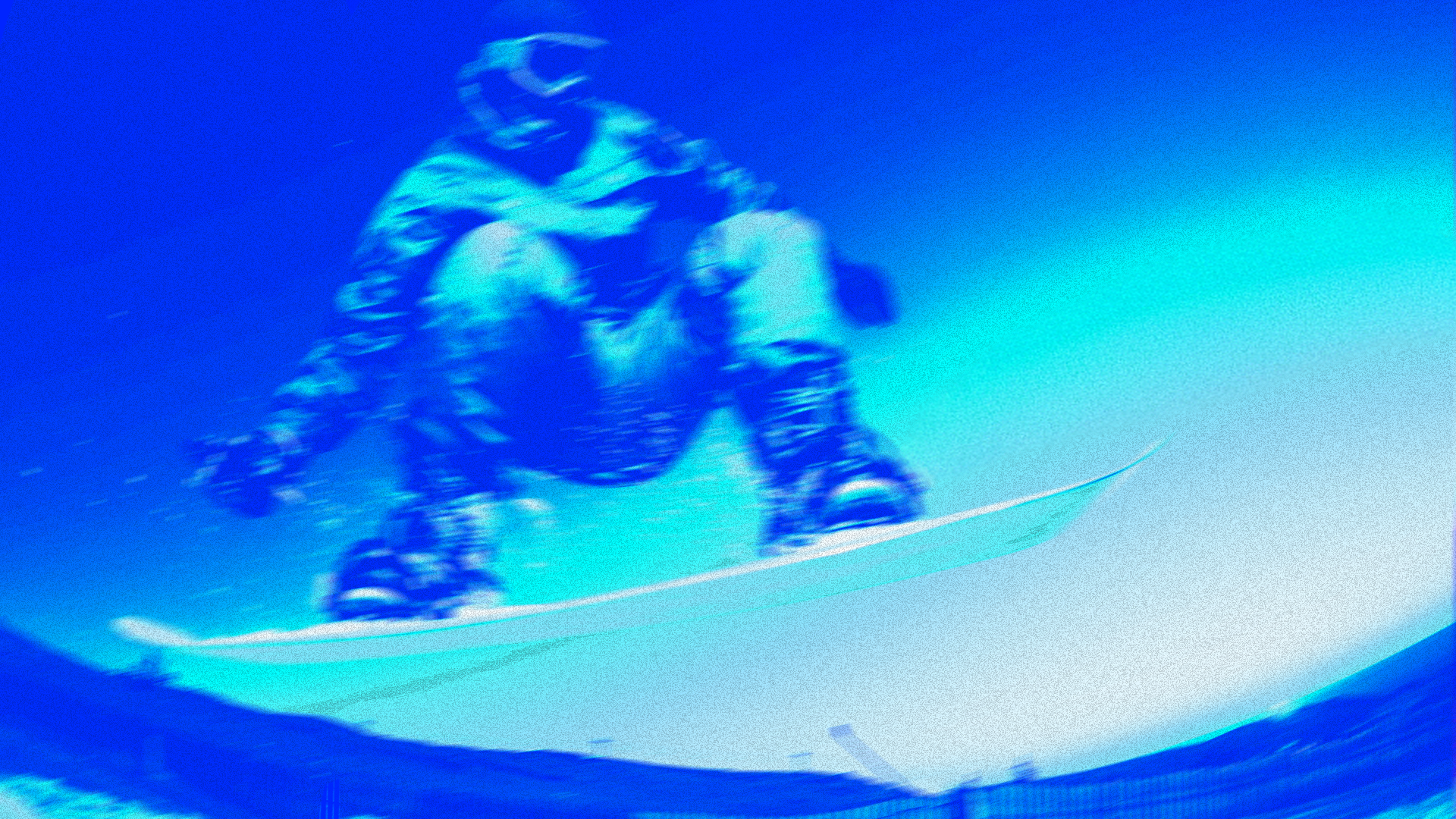
Don’t own a category. Own a narrative.
The brand’s storytelling is at least as important as the products you’re willing to add to your catalog. Your positioning and how you back it up matter as much as the colors of the next product you’re launching. If your brand’s narrative is consistent across your platforms and backed by your audience, you can sell any product that fits that perspective. Most of the time, sports brands are developing products and planning the campaign afterwards. This workflow won’t work if you don’t have huge resources, because of the time that this approach takes. So you first create the story, then you attach a relevant product to it.
The big advantage of this strategy is that you’ll become the owner of that “angle” or “point of view” that you claimed in the long run. Consumers will think of your brand when they see a specific word you use or even your brand tone. There will always be competitors that are selling better products for lower prices. But can they own the narrative you created in the first place? I don’t think so.
Selling the right thing
In the digital-first world that we found ourselves in, everything is automated, optimized and analyzed through numbers. What if we prioritized feelings first? And numbers would become just a way to confirm that instinct you had about that product launch, for example? We see hundreds of logos and ads in a day, but how many of them are making us feel something?
We asked enough questions, now let’s get to concrete examples. Let’s say you are a brand who sells football cleats. A campaign that focuses on the joy of playing football with friends has a higher chance to perform than an advertising push that capitalizes on product features. If I need to purchase a sports item, I’d rather picture myself having a good time wearing it instead of breaking down the spec sheet of the product to my friends.
Aspiration and motivation work, until they don’t
While we all idolized athletes when we were kids, the sad news is that we didn’t become one. On the other hand, the good news is that we can still do sports or any physical activity in our free time. While some prefer to play team sports in amateur leagues, some prefer physical activities like fitness or pilates to stay in shape and feel good in their skin. While it’s totally okay to be ambitious in whatever you do in life, we don’t need a “brand” to motivate us in what we need to do. People don’t need motivation, they need an invitation to be a part of a group that shares similar values as them.
The rule is simple, if you like doing something you’ll eventually get better at it because you don’t count the hours you commit. So why not praise and celebrate the fact that people like to do hard things? Instead of pushing casuals to perform “better”. No one likes to be pushed to do something, especially if it’s not coming from another human, but a warm welcome goes a long way, especially if it’s coming from like-minded people.
Nostalgia as an escape
In a time where nostalgia is an easy escape to minimise risk instead of trying something new, what if your brand tried to predict the future through visual storytelling? This means that the brand needs to innovate in terms of visual identity, for example: stretching fonts, using very distinct colors, distorting images or using an intriguing art direction in your next campaign. The idea is to build something from scratch instead of leaning on what has already been made. Yes, nostalgia is great because it’s mostly based on positive memories, but what if we put in the work and innovate?
While the past is certain and already written, the future is a mystery and full of unknowns. Embracing the uncertainty of the future could resonate with different consumer groups you’re targeting. This approach that goes beyond classic targeting metrics list like genders, age, income level, etc. could position your brand on a completely different scope than a single market segment.
Have a project in mind or just exploring ideas?
Feel free to reach out we’d love to hear what you’re working on.
Contact us.
